


The Science Behind the Application of Face Oils
By admin ·
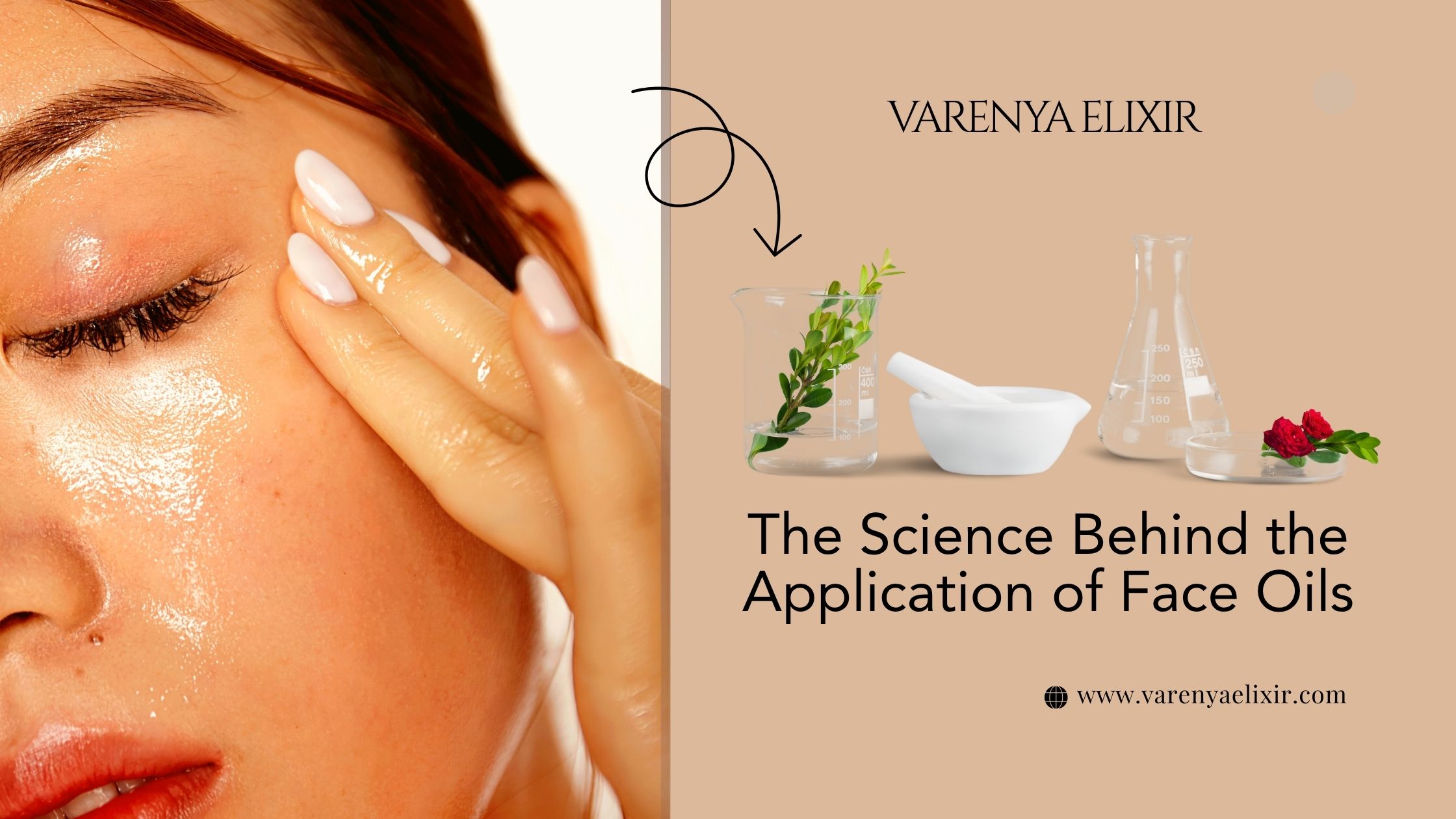
In modern skincare regimens, face oils are a popular addition for their range of benefits. They not only improve skin elasticity but also reduce the appearance of fine lines and wrinkles. They work especially well when used with facial massage. This write-up explains what facial oils are, how they support the skin barrier, their benefits, and how to integrate them into your skincare routine.
About Face Oils
Oils are a mixture of organic molecules, including fatty acids, wax esters, and triglycerides. They also contain key molecules such as antioxidants and vitamins. These ingredients add extra benefits and support for your skin. They act as emollients, helping lock moisture into the skin and keep it hydrated. Whether it's an antioxidant face oil or a vitamin-rich face oil, it can do wonders for your skin when you apply it with the right massage technique. Because different oils offer different benefits, face oils can be formulated to address skin concerns ranging from dehydration to inflammation.
What Are the Benefits of Using Face Oils?
Face oils offer a range of benefits, from locking in moisture to balancing the skin's natural oil production. Below are some key benefits of using face oils.
1. Seals in Moisture
Face oils serve as occlusives and emollients. They help create a protective layer on the skin, preventing water loss from the surface. Oils seal moisture into the skin's outermost layer and act as emollients to keep it soft and smooth.
2. Strengthens Skin Barrier
Oils are rich in essential fatty acids and antioxidants that help repair a compromised lipid barrier and protect against environmental damage. They strengthen the skin barrier by forming an occlusive seal that locks in moisture and supplying fatty acids that repair the natural lipid barrier.
3. Balances Sebum
Balancing, lightweight oils like jojoba or rosehip can help overactive skin regulate its natural oil production. It can signal your skin that it is already moisturised enough. This helps prevent oil overproduction triggered by dryness. Harsh cleansers often strip natural moisture, causing skin to overproduce more sebum. Face oils restore this protective lipid barrier and balance sebum.
4. Softens and Smooths Skin
Oils can instantly improve skin texture, giving it a glowing and radiant finish. By acting as emollients and occlusives, face oils replenish the skin’s natural lipid barrier and lock in essential moisture.
5. Combats Ageing
Dryness makes fine lines look deeper. Oils can plump the skin's outer layer, making wrinkles look less noticeable. They also seal in water from moisturisers and serums, preventing water loss. As we age, our natural lipid production drops. Plant oils refill these essential fatty acids like omega-3, omega-6, and omega-9, restoring flexibility and strength. Many oils contain antioxidants such as Vitamin E or plant polyphenols that safeguard collagen and elastin from environmental damage like UV rays and pollution.
How to Integrate Face Oils in Your Skincare Routine?
Integrating face oils into your skincare routine depends on the product type. The general rule is to apply your skincare from lightest to heaviest. This suggests applying face oils before moisturiser. If you use an oil-free moisturiser, your preferred oil becomes your last step because oil is heavier than moisturiser. Although you can apply oils anytime, their texture may make you prefer to incorporate them into your nighttime regimen.
Apply them after any water-based serums and before applying heavy moisturisers. Start by selecting the oil that best suits your needs. You can use them whenever you wish, but we recommend patch testing before use to ensure they suit your skin.
Frequently Asked Questions
1. Can I Use Face Oil On Oily Skin?
Yes. You can use face oils on oily skin. However, always choose oils with a lighter texture and consistency if you have oily skin.
2. Can Face Oils Replace Moisturisers?
While some face oils and moisturisers share similar ingredients, you shouldn't use one to replace the other. Apply face oils as an extra layer of moisture rather than replacing a moisturiser.
3. Can I Mix Oils with Moisturisers?
You can mix oils with your moisturiser. However, for best results, apply face oils before your moisturiser.
4. How Do Face Oils Differ from Moisturisers?
Moisturisers are formulated as a mixture of water-soluble and oil-soluble ingredients to keep skin hydrated and moisturised. Oils, on the other hand, are all-rounders that nourish, restore, and protect.