


Restore Your Dehydrated Skin: How to Stop Flaking with Oil & Hyaluronic Acid
By admin ·
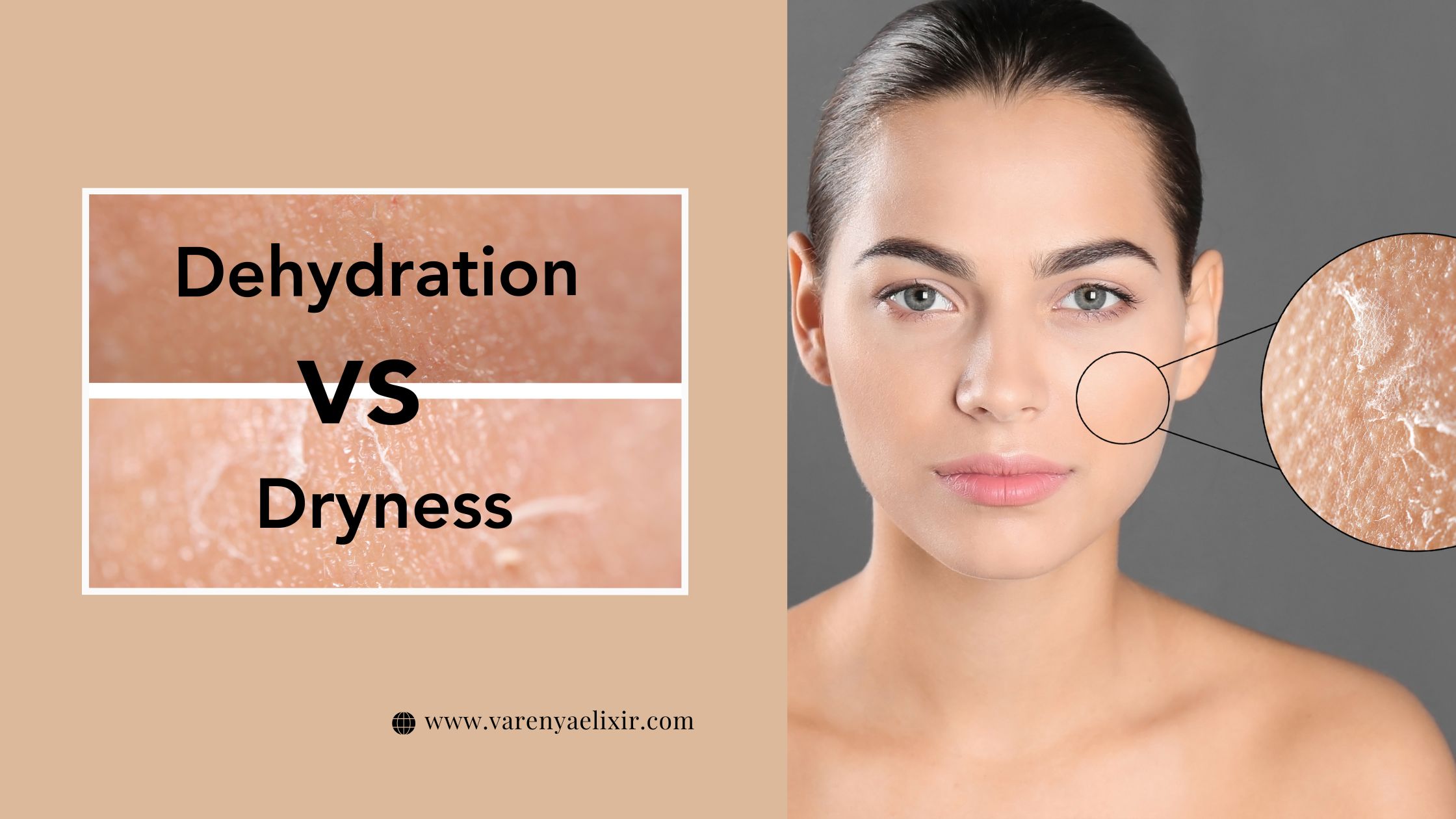
Your skin helps maintain balance by supporting a more youthful, fuller look and long-lasting hydration that stays put all day rather than fading before your coffee cools. Dryness and dehydration aren't identical, and the confusion starts with a small but important distinction.
Dry skin means it’s missing oil. Dehydrated skin happens when it lacks moisture. You can moisturize with argan, marula, or coconut oil and still get flakes, because the oils typically seal in the hydration already present but don’t refill the skin’s internal moisture supply.
Hyaluronic acid is like rain. A single gram can hold six liters of water, acting like a sponge that pulls humidity from the air into your skin and causes cells to expand internally. Uncovered water will gradually evaporate over time. Oil enters the scene to play a steady role, ensuring that every drop stays locked in place rather than becoming the main character.
This is the science behind collaboration, enabling you to stop chasing hydration and start retaining it effectively. Are you prepared to rebuild your barrier?
Dehydration vs. Dryness: Know the Difference Between the Two
Dryness is mainly related to lipids, while dehydration is more about a lack of water. You should use emollients for one side. Humectants are required on the other side. If you shuffle these around, your routine doesn’t feel right. Learn the difference, then address the issue correctly.
- Dry skin is often inherited and present from the beginning, whereas dehydration tends to result from environmental factors, what you eat, or how you care for your skin. So you have to use face oil hyaluronic acid to ease your dehydration.
- If you don’t take the right care, dryness may seem like it will last forever, but dehydration usually improves within a few days.
- Insufficient lipids in the skin barrier can lead to dryness, with dehydration occurring largely when water leaves the skin too quickly.
- Dry skin commonly presents as ashy or flaky patches, while dehydrated skin typically looks dull with fine lines.
Skincare Regime to Follow: Antidote to Dehydrated Skin
You’ve been instructed to spread it on, scrub it off, and endure the pain. Please stop the current routine on your skin; dehydrated skin needs softness and comfort, not punishment. This routine feels like a mild, well-planned remedy and something sacred and intentional. It recognizes that your skin is a living organ and cares for it accordingly. Observe it as it drinks, blossoms, and then thank you.
- Choose a Cream Cleanser:
Foaming cleansers can be harsh on dehydrated skin: the surfactants they contain remove dirt as well as the lipids your skin needs. Try a cleanser made with milk, cream, or balm something that should feel smooth and silky on your fingertips. Choose a cleanser that works gently and leaves your skin calm, not with that tight, squeaky feeling. If your skin feels stripped, the product has already failed.
2. Apply Toner While Skin Is Still Dewy:
If your skin is damp, the toner’s fluidity increases somewhat, so hydrating creams can penetrate further. Apply a good amount of moisturizing toner. Check the ingredient list for rose water, glycerin, or green tea, pour it into your palms, and gently tap it into your face. Skip cotton pads; they may soak up product and create unnecessary friction. Your palms are the perfect, natural applicator.
3. Apply Hyaluronic Acid Infused Moisturiser:
A hyaluronic acid-rich moisturizer is a quick help for dehydrated skin. One straightforward step delivers HA’s water-binding attraction along with the moisturizing sealing power of emollients, resulting in a smooth finish. It moisturizes and helps hold hydration in place at the same time, so you can avoid using a separate serum before your moisturizer. When your face is a bit moist, use it so it can absorb more and you’ll get the most out of it. You’ll notice how it helps convert tight, lifeless skin into a more voluminous, dewy look, without all the extra steps.
4. Don't Wait Between Layers:
Most beauty influencers don’t mention this: ingredients work best when applied to a damp surface, though they also evaporate fast. Make sure your toner or serum doesn’t fully dry before applying the next layer. Put on your moisturizer while the serum is still tacky. As a result, you end up with a hydration sandwich structure that holds moisture between layers and drives it further into the epidermis.
Lifestyle Habits That Hydrate Yourself From Within
A single storm won’t stop a garden from growing for long if you believe it will keep blooming forever. Keep your skin looking great by consistently hydrating it, eating solid, nutrient-rich foods, and staying steady and relaxed mentally. Real hydration is something you generate internally, not just something you put on your face; it grows from the inside out, slowly and steadily.
Drink Before You Feel Thirsty:
- Typically, your brain detects thirst only once your blood volume decreases and your electrolyte levels begin to change. It means the harm to your skin barrier has already begun, in a practical sense.
- Proactive hydration supports steady blood flow and smooth delivery of nutrients; reactive hydration merely tries to make up for earlier shortfalls and won’t fully recover the losses.
- Place a visible water bottle on your desk, carry one in your bag, and keep one beside your bed. When something is out of sight, you tend to forget it, and after you forget it, your skin usually becomes dry.
Prioritize 7-9 Hours of Quality Sleep:
- While you sleep, your body can produce as much as 50% more hyaluronic acid and collagen, helping your skin look fuller from the inside as you rest.
- Keep your bedroom temperature around 18–20°C (65–68°F) since cooler air can reduce night sweats, and it helps prevent your skin from losing moisture through excess heat and evaporation.
- Disable or reduce the blue light from your screens at least an hour before bed. Blue light can reduce melatonin production, which may disrupt your skin’s normal nighttime repair process.
- Use a room humidifier while you sleep. Maintain about 50–60% humidity so your skin isn’t constantly losing water to dryness in places like air-conditioned or heated rooms.
Your skin was never really the enemy, not stubborn, not difficult, and not broken. It’s dried out in a way that no oil can truly fix, since oil can’t fill a container that has nothing in it. You’ve learned that water must come first: a consistent flood of hyaluronic acid that seeps into every dry crevice, even those neglected spots on your skin. The tightness loosens its hold, finally. This is not only hydration, not even close. This is homecoming, a returning to the skin you were meant to wear.
Similar Patterns of Questions:
- Can I use hyaluronic acid if I have oily or acne-prone skin?
Absolutely. Dehydration is not the same as dryness, and even oily skin can be dehydrated. Hyaluronic acid is lightweight, non-comedogenic, and water-based, so it won't clog pores or add excess oil. Choose a gel-based or lightweight HA serum and follow with a light, oil-free moisturizer. If you're acne-prone, avoid heavy oils like coconut oil.
2. What's the correct order to apply hyaluronic acid?
The golden rule is to use water-based products first and save oil-based products for later. Cleanse your skin, mist or tone it with hydrating toner while it’s still moist, then apply a hyaluronic acid serum. Wait about half a minute to a minute for it to sink in, and then moisturize.
3. What type of face oil works best for dehydrated skin?
The best oils for dry, dehydrated skin are rich in linoleic acid and feel light enough to slip in without leaving a greasy film. Squalane is excellent because it mimics your skin’s natural sebum. Rosehip oil is rich in essential fatty acids that help rebuild the skin barrier and gradually restore comfort. Avoid heavier oils like coconut and even olive oil, since they may sit on the surface and make you feel weighed down.