


How Vitamin B3-Infused Cream Calms Your Irritated Skin in Weeks
By admin ·
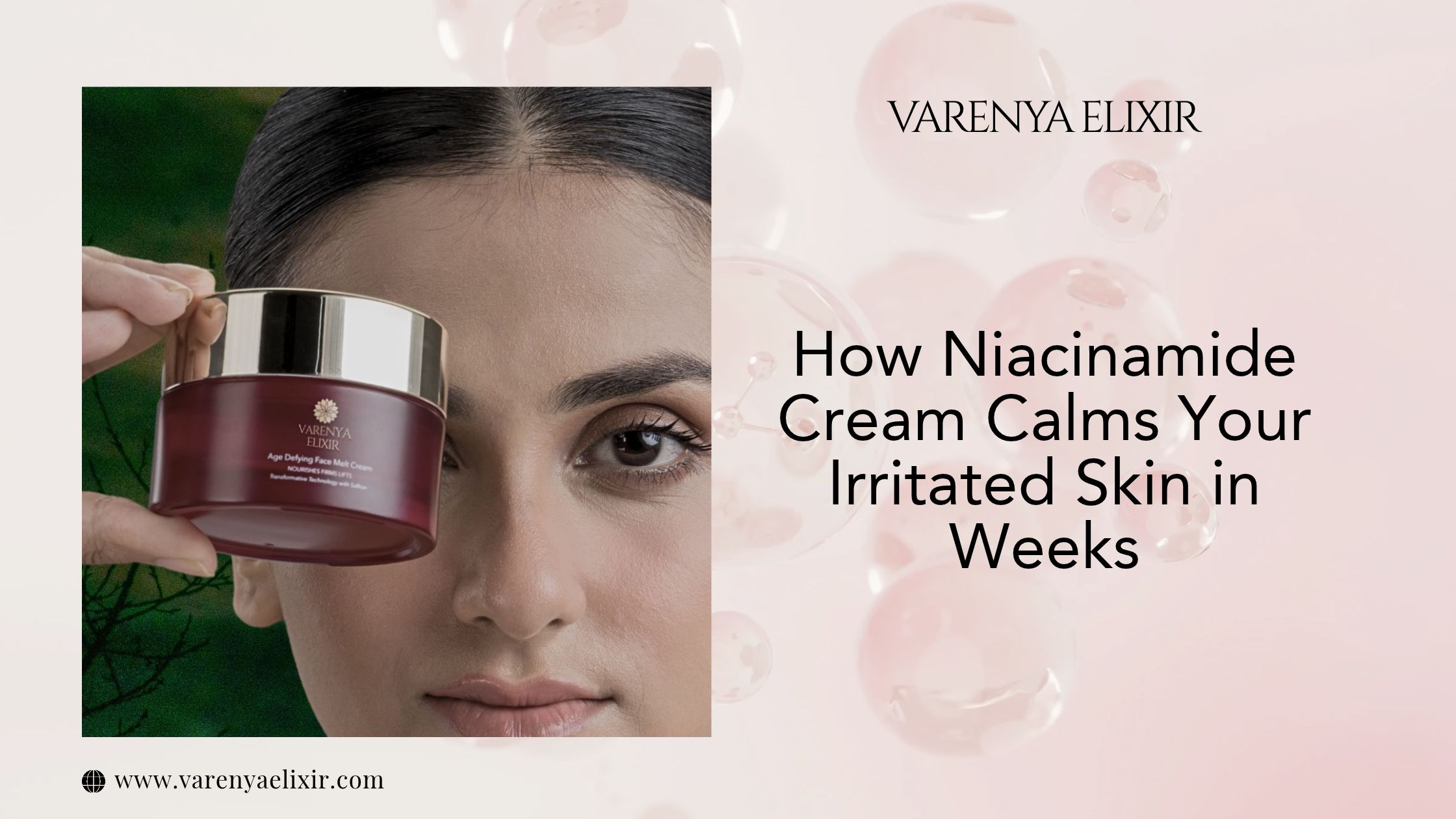
Imagine two mornings that are six weeks apart. It feels just like the first time again—tightness, stinging, and a burning sensation the moment water touches your skin. But what is the difference? The second time, you have no complaints. In fact, your skin feels rested.
When skin is inflamed, the body’s sensitivity increases, making even typical sensations feel painfully irritating. This compound doesn’t break the inflammation mechanism but gradually reduces its effect over time until sensitivity and redness decrease. After the inflammation decreases, heightened sensitivity will return to normal over a few weeks. When the transformation happens, it will be noticeable, though it may be gradual.
Skin inflammation is like an extremely loud volume setting. Each incoming message becomes too loud and amplified. Niacinamide does not turn the volume dial to zero; however, with regular use over weeks, the redness and sensitivity will begin to subside. This transition isn't obvious until one day you notice your skin no longer reacts to most daily irritants. A calm state returns with a whisper and not a loud bang.
Your Skin's Reset Button:
Inflammation and repair are the two mechanisms the skin uses. There are two switches corresponding to each mechanism. Irritated skin shows inflammation stuck in the 'on' state, while the repair process keeps lagging. Rather than using harsh measures, niacinamide soothes inflammation and encourages gradual repair until the switches return to centre. As is the case with most changes, slow and steady changes have a big impact.
- The barrier repair cream soothes redness and helps with sensitivity by being very gentle.
- It boosts and safeguards your skin barrier by increasing ceramide levels, helping keep irritants out and moisture in.
- Manages oil production without drying out the skin.
- Helps to even out your complexion and soften old acne marks by slowing down pigment transfer over the weeks.
- Smaller pores and less visible pores by helping clear pores and preventing future clogging.
- Can be combined with other skincare actives.
How To Use Niacinamide Moisturizer for Different Skin Types
Niacinamide is often called skincare's universal diplomat—gentle enough for sensitive skin, effective enough for oily skin, and adaptable enough for nearly everyone in between. But universal doesn't mean uniform.
Oily Skin:
Oily skin benefits most from a lightweight gel-cream texture applied morning and night, because skin repair cream regulates sebum production without adding heaviness; apply to clean, dry skin before sunscreen in the morning and before a light moisturiser at night, and resist the urge to over-apply, since more product doesn't mean more oil control and consistency does the work, not quantity.
Dry Skin:
Niacinamide works best as a supplementary ingredient, not as the only replacement for moisturising dry skin. Start by moisturising your skin. Then apply a toner or serum with niacinamide. Follow with an even thicker moisturiser. Regular application increases ceramides, leading to skin that appears less dry and more soothed, while occlusives in moisturisers lock in hydration.
Sensitive Skin:
To get started, try applying the low percentage formula once every evening. Test on the skin behind the ear for at least a day before trying to apply it on your face. Apply a moisturising lotion to your face to help relieve the tingling feeling. Apply it twice daily for the first time after two to three weeks. Success in your application depends on staying consistent and having patience.
Acne-Prone Skin:
Salicylic acid can be used to treat acne, but you should consider any risks or issues that may arise when paired with vitamin B3. Start by using your salicylic acid-based cleanser or toner, followed by the application of your favourite soothing moisturiser that includes formulas for barrier repair. Like any new ingredient that you want to add to your regimen, always incorporate any new combination slowly and carefully to determine if a product helps or hinders your skincare.
Complaints include itching, burning/stinging, tightness, and redness. But Niacinamide doesn’t silence these complaints; it reframes skin to be more polite. As weeks go by, it slowly teaches your skin to stop making complaints. And before you know it, you will notice your skin is quiet. For someone who has reactive skin, silence is finally an achievement, something to strive for.
Frequently Asked Questions:
1. Can niacinamide help with redness and rosacea-like flushing?
Niacinamide also has an anti-inflammatory effect that helps with redness and reactivity. It isn’t a treatment for rosacea, but it can lessen the intensity of rosacea symptoms by strengthening the skin barrier. To get the finest results, use this alongside gentle cleansing and sunscreen (SPF).
2. What percentage of niacinamide works best for irritation?
Research into this ingredient for soothing skin and strengthening the skin barrier shows that a 2–5% concentration works effectively and is generally well tolerated. Using smaller percentages of the ingredient more frequently is preferable to using larger percentages occasionally. Higher percentages tend to cause irritation. Overall, research indicates that lower concentrations tend to work better for topical applications than higher ones.
3. Can niacinamide moisturizer help with irritation from acne treatments?
Absolutely, it's one of the best buffers for retinoid and acid irritation. Apply niacinamide before or alongside these actives to reduce dryness, flaking, and stinging. Many dermatologists recommend it precisely for this tolerance-building role.