


How Antioxidants Stop Wrinkles Before They Form In The Skin
By admin ·
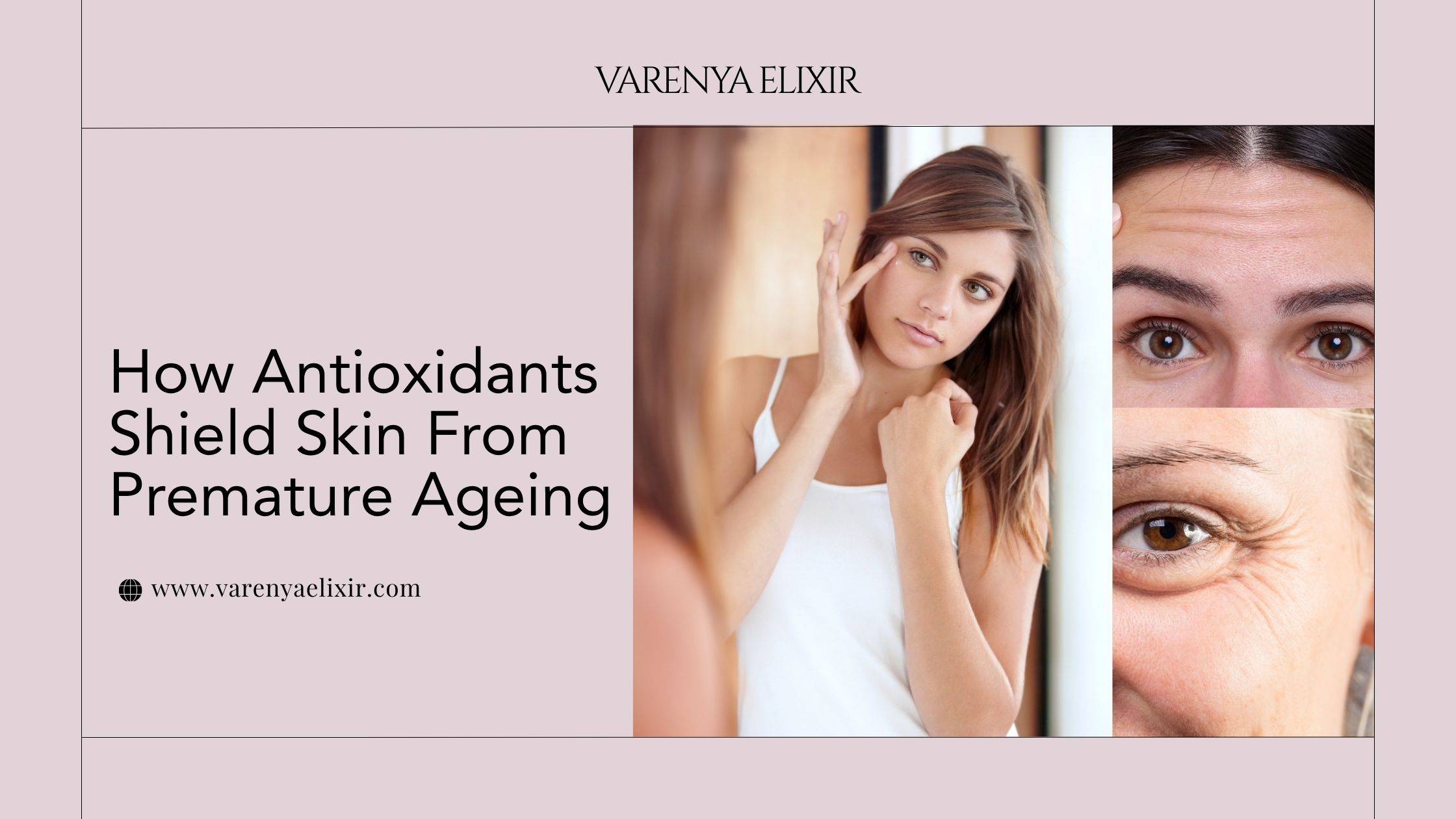
Your skin keeps working after dark. When you fall asleep, it repairs itself by rebuilding its layers and restoring what was strained throughout the day. It can only do that effectively with the proper support.
Antioxidants play a role in supporting it. They enter damaged cells, reduce the swelling caused by sun exposure, and support your skin as it builds new collagen. This is not simple removal of damage. It is recovery and repair.
During the night, your skin works hard, and antioxidants support the repair process. When you wake up in the morning and check the mirror, you can see what has changed.
The Invisible Battle Happening Under Your Skin Right Now
You can see the change happening under the surface. You may notice a small line in one area. In another region, everything may appear less bouncy. Those signs do not feel random. It is like a fight you cannot see. Free radicals cause damage, and antioxidants try to protect. Pollution particles are small enough to slip through pores and start a war inside.
- Niacinamide rebuilds the barrier so enemies can't find a way back in.
- Fine lines are just scars from battles your skin fought alone.
- Dullness is the fog left behind after inflammation clears.
- Vitamin E guards the lipid layer, standing watch where moisture meets the world.
That’s why you just need to upgrade your skincare routine and add an antioxidant cream for face in your routine.
The Types of Antioxidants Required For Your Skin
Your skin has several problems: oxidation, swelling, and collagen thinning. Antioxidants help in different ways. Vitamin C can make the skin appear more uniform. Vitamin E supports the skin's protection. Niacinamide helps restore the skin’s outer protective barrier. If you rely on only one, you won’t address the other requirements. By using all three, you can address more of what your skin needs.
Vitamin C:
Vitamin C is the antioxidant everyone talks about. It supports the skin’s outer layer by halting free radicals before they can penetrate deeper. It also helps with discolouration by interfering with tyrosinase, the enzyme linked to dark spots. It also includes collagen, which can make the skin look tighter and more voluminous.
One issue is that vitamin C does not hold up well. Light, air, and time can break it down fast. Because of that, many formulas pair it with vitamin E and ferulic acid. These add help by keeping it more stable and improving how well it works.
Vitamin E:
Vitamin E does not chase attention. It works in the background. The fat layer of your skin uses it to calm free radicals beyond the reach of water-based antioxidants. It also helps your skin hold on to moisture. It withstands the external barrier. This can help slow the oxidative process linked with fine lines and wrinkles.
There is another useful link. Vitamin E and vitamin C can support each other. If one runs low, the other can help bring it back.
Ferulic Acid:
Ferulic acid often gets overlooked, but it matters a lot in antioxidant work. Used alone, it can help protect skin from light. The bigger effect comes when it is paired with other antioxidants. It helps keep vitamin C from breaking down when exposed to sunlight. It also supports the stability of vitamin E. With both vitamins supported, the overall result is better than using either one by itself. Think of it as someone who keeps everything running well. When ferulic acid is left out, the antioxidants tend to degrade sooner. When it is included, they hold up longer.
Niacinamide:
Niacinamide, a form of vitamin B3, works differently to help with antioxidants. It supports the skin’s protective layer, making it harder for harmful stuff to get through.
One key effect is higher ceramide levels. That can make the skin barrier feel tougher. It helps reduce the appearance of pores and calm red skin. When the barrier is stronger, less unwanted material enters. At the same time, water is more likely to stay in.
Niacinamide is often gentle. That is why it can work well for skin that gets irritated fast. Really, it is more about good routine habits than a fight. If you catch issues early, that can matter most. Skin needs more than a simple shield. It also needs support it can rely on each day.
What Are the Correct Ways To Use Antioxidants in the Skin?
Order matters, but most people do not think about it enough. Begin with the lighter items. Then move to the stronger ones. Use water-based products before oil-based ones. Apply serum before moisturiser. If you switch the order, antioxidants can sit on the surface. They may not reach the layers you want. Add each step on purpose. Antioxidants do not work in one day. Progress takes time and builds slowly. They help protect the epidermis and back up repair. You will notice change little by little. It happens in a steady way.
Timing Is Everything:
- Put vitamin C on in the morning. This helps protect your dermal layer from UV light and daily city pollution.
- At night, apply retinol together with other antioxidants designed to support skin repair. Do it when your epidermis is naturally in recovery mode.
- If the timing is incorrect, the power decreases. Antioxidants tend to work best when you match them to your skin’s daily cycle.
Layer in the Right Order:
- Start with the thinnest formula and build up — serums first, then lotions, then creams.
- Apply water-based antioxidants before oil-based ones; otherwise, they can't penetrate the skin.
- Wait 30 seconds between each layer to let products absorb fully and avoid pilling.
You Must Know Your Pairings:
- Vitamin C and vitamin E work synergistically — together they're stronger than either alone.
- Ferulic acid stabilises both vitamins C and E, multiplying their effectiveness and extending shelf life.
- Separate vitamin C and retinol into morning and night routines to avoid irritation and deactivation.
Everyone has a background and experiences that came before. Some of it seems like it could be a pretty funny joke. The remaining parts feel like they’re weighing me down and won’t lift. The lines that start to show up later usually come from wear. They do not announce themselves. They creep in a little at a time. Then, suddenly, you look, and they are there.
Antioxidants can’t reverse everything that has already occurred. They mainly modify the way your skin appears at the moment. You may notice rough spots feel softer over time. They can also add a bit of freshness to skin that looks worn out. If you stick with them, your skin may keep looking better, with more days that feel like "you".
Start now. Not because getting older is a bad thing. You can still choose how it goes, little by little, in a way that feels right for you and for your dermis.
Same Patterns of Questions:
1. How exactly do antioxidants prevent wrinkles before they form?
Antioxidants protect the skin by neutralising free radicals. These unstable molecules are able to take electrons away from healthy skin cells. When that happens, oxidative stress builds up. Over time, that stress can harm collagen and elastin. Collagen and elastin help maintain skin’s firmness and springiness. Antioxidants transfer electrons to free radicals, allowing the radicals to settle down. They do not turn into problems on their own. As a result, the harmful reaction slows early instead of spreading deeper. That is where wrinkle formation tends to begin.
2. Which antioxidants are most effective for preventing wrinkles?
Some leading antioxidant options that might help reduce the appearance of wrinkles include vitamin C, vitamin E, ferulic acid, niacinamide, and retinol. Green tea extract and resveratrol are also strong options.
Vitamin C can brighten skin and support collagen. Vitamin E helps guard the lipid barrier. Ferulic acid can support the performance of other antioxidants and help maintain their activity. Niacinamide contributes to maintaining a healthy skin barrier. Retinol may speed up cell turnover.
Pro tips: People who experience irritation from retinol and vitamin C can substitute them with gentle, plant-based alternatives like bakuchiol and rosehip oil for smoother, brighter skin without the redness.
3. When should I start using antioxidants for wrinkle prevention?
If you want the best window, start in your early to mid-twenties, before aging signs show up. That said, you can still start later. Even in your 40s or 50s, antioxidants can help reduce further damage and support the body’s repair processes. If you start sooner, you usually end up with fewer wrinkles to handle later. Start now so your skin can get the help it requires right away.